Construction Waste Sorting
LEADING WASTE SORTING AND RECYCLING EQUIPMENTS PROVIDER
What is the construction waste sorting process?

Construction waste refers to the discarded materials generated during construction activities such as demolition, building, renovation, and maintenance. These materials often include debris like rubble, waste concrete, broken bricks, stones, and other construction-related refuse. The sorting and recycling of construction waste is an essential process for reducing environmental impact and promoting sustainability in the construction industry. By separating and processing these materials, valuable resources such as concrete aggregates, metals, and wood can be recovered and reused in new construction projects, thereby reducing the need for virgin raw materials. This not only helps to divert significant amounts of waste from landfills but also supports the circular economy by giving construction waste a second life in various applications. Effective recycling of construction waste contributes to resource conservation, energy savings, and the reduction of carbon emissions.
Step 1: Crushing Construction Waste
Crushing construction waste is the first and crucial step in the recycling process. In this stage, large pieces of construction debris, such as concrete slabs, bricks, asphalt, and mixed building materials, are reduced in size to facilitate further processing. The crushing process typically involves the use of crushers, such as jaw crushers, impact crushers, or cone crushers. These machines work by applying force to break down the debris into smaller, more manageable pieces.
The size reduction makes it easier to handle the material in subsequent stages, enabling better separation and recycling. Moreover, crushing the material improves the quality of the resulting aggregate by removing larger contaminants and producing a uniform particle size. The crushed material can be reused as aggregate for new concrete or road base, thus reducing the demand for virgin raw materials.
Innovations in MSW construction crushing technology, such as mobile crushers and hybrid systems, allow for more efficient processing directly at construction sites, reducing transportation costs and minimizing environmental impact.
Step 2: Screening Construction Waste
Once the material has been crushed into smaller pieces, the next step is screening. Screening involves separating the different sized particles from the crushed construction waste to remove smaller debris, dust, and undesirable materials that are not suitable for recycling or reuse. This is typically done using a set of vibrating screens or trommel screens, which sort the material into various size fractions.
The process of screening is essential because it helps to classify the material into usable sizes that can be further processed. For instance, fine aggregates might be separated out for use in making new concrete, while larger pieces of crushed stone could be used in construction or road building.
Use MSW advanced screening technologies, such as air classifiers or density separators, can also be employed to remove lighter materials like plastic, wood, or paper from the screened waste, further improving the purity and quality of the recycled materials. By optimizing this step, the recycling process ensures that only the highest quality materials are passed onto the next stages, increasing the overall efficiency and profitability of the recycling operation.
Step 3: Sorting Materials in Construction Waste
After screening, the next stage is material classification. Construction waste often consists of a mix of various materials that need to be sorted to ensure that each material type is processed appropriately. Common materials in construction waste include concrete, brick, wood, glass, metal, plaster, and plastic.
The classification process can be performed manually, with workers sorting through materials based on visual or tactile cues. However, in more advanced systems of MSWsorting, automated techniques such as magnetic separation, air classifiers, and eddy current separators are used:
Magnetic separator is used to remove ferrous metals (steel and iron) from the waste stream.
Air classifier separate lighter materials, like wood and plastic, from denser materials, such as concrete and brick.
Eddy current separator can be used to remove non-ferrous metals like aluminum.
This stage not only enhances the purity of the individual materials but also ensures that recyclable materials are kept separate for reuse. For instance, metal scrap can be melted down and reused, while wood can be turned into mulch or biomass energy. MSWsorting allows each material to be processed in ways that maximize their reuse potential, further reducing environmental impact and promoting sustainability.
Step 4: Recycling Aggregates from Construction Waste
One of the most valuable aspects of construction waste recycling is recovering usable aggregates. These are the components of construction materials, such as concrete, brick, or asphalt, that can be reused in new construction projects. The recovery of aggregates involves crushing, cleaning, and screening to ensure the material meets the necessary standards for quality and performance.
Recycled concrete aggregate (RCA), can be reused in new concrete mixes, providing a cost-effective and environmentally friendly alternative to virgin aggregates. The recycled concrete can be used in road construction, foundation works, or as sub-base material for new buildings. Similarly, crushed brick and asphalt can be repurposed as road base material or as a component in new asphalt mixes.
In MSWsorting advanced recycling systems, additional processing steps may be employed to improve the quality of the recycled aggregates. Include washing the material to remove dirt and contaminants, or using air separation techniques to further refine the aggregates. The recovered materials are then subjected to quality control tests to ensure they meet the standards set by regulatory authorities and the construction industry.
Benefits of Recycling Aggregates:
Environmental impact reduction: The use of recycled aggregates reduces the need for quarrying and mining natural resources, which helps conserve ecosystems and reduces energy consumption.
Cost efficiency: Using recycled materials is often more affordable than sourcing new aggregates, contributing to cost savings for construction companies and contractors.
Waste diversion: By recycling construction waste into aggregates, the overall volume of waste sent to landfills is drastically reduced, promoting the principles of a circular economy.
Why Choose MSW Construction Waste Sorting and Recycling Solutions?
MSWsorting is committed to providing the best C&D Waste sorting and recycling solutions
Industry Expertise: With years of experience in waste management, we offer solutions that are both innovative and proven to be effective.
Customized Solutions: We tailor our recycling systems to meet the unique needs of each project, ensuring optimal performance and efficiency.
Comprehensive Support: Our team provides end-to-end support, from system design and installation to training and maintenance, ensuring smooth operation and long-term success.
Sustainability Commitment: Our solutions are designed with sustainability in mind, helping our clients achieve their environmental goals while maintaining operational efficiency.
ADVANTAGE
WHY CHOOSE MSWsorting
Focus on waste sorting technology more than 30 years
Research & Development
Professional waste sorting R&D team
Engineering Design
Multifarious engineering design Services
High Quality & Services
Stable operation and good service
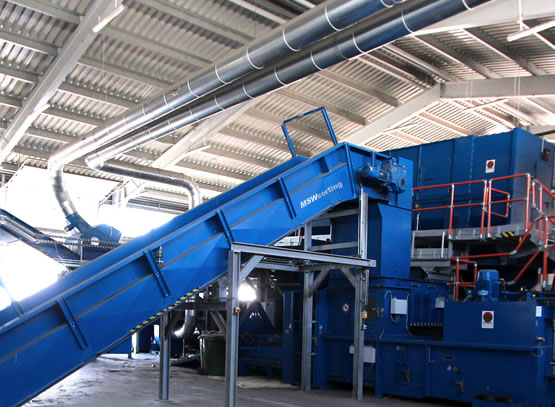
Leading Waste Sorting Solutions Provider
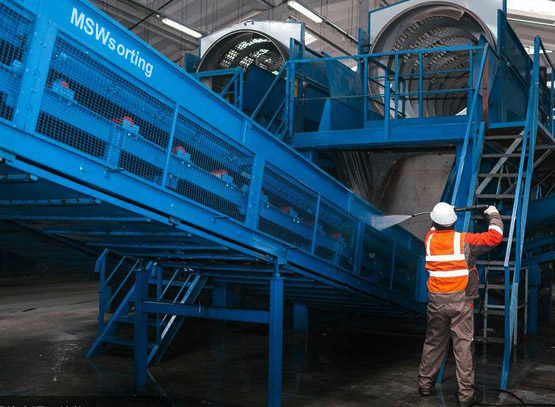
Leading Waste Sorting Equipment Manufacturing Center
Focus on waste recycling and sorting technology innovation. the pursuit of comprehensive, professional, timely and enthusiastic service to win the trust of customers, growing together with customers.
MSWsorting relies on the technical team who from University of Science and Technology of China. and based on himself research and manufacturing experiences accumulated over the past 30 years. Created China's first waste sorting technology research center.