Construction Waste Crusher
LEADING WASTE SORTING AND RECYCLING EQUIPMENTS PROVIDER
What is the construction waste crusher?

Construction Waste Crusher is a critical piece of equipment in the construction and demolition (C&D) waste management process. Specifically designed to process debris from construction activities, including concrete, wood, metals, glass, and mixed rubble, a waste crusher serves to reduce the size of the material, enabling its recycling into usable aggregates or other reusable materials. Among the most commonly used types of crushers in this context are the jaw crusher and impact crusher.
Main Types of Construction Waste Crushers and Their Application
1. Jaw Crushers
Jaw crushers are often used for the primary crushing stage when dealing with construction waste, especially when the material contains a high amount of concrete. These crushers use a compressive force to break down large chunks of material between two jaws, one fixed and one movable. The crushed material typically has a coarse texture and is suitable for further processing. In the case of C&D waste, jaw crushers are effective at breaking down large concrete blocks and debris, which can then be sorted and refined for reuse in construction.
2. Impact Crushers
Following the initial crushing stage with a jaw crusher, an impact crusher may be employed for secondary crushing. Impact crushers utilize high-speed rotating hammers or bars to strike the material, creating fractures and reducing it to smaller, more uniform sizes. Impact crushers are particularly effective at processing mixed waste materials with varying degrees of hardness. In the context of C&D waste, they are excellent for breaking down materials like bricks, tiles, and asphalt into more manageable sizes that can be used as aggregate for road base, fill, or even in the production of new concrete.
Key Processes in Construction Waste Crushing System
1. Crushing
The crushing process involves reducing the volume of large waste materials into smaller pieces. This is typically done in stages, beginning with the jaw crusher for coarse reduction and followed by the impact crusher or other secondary crushers for finer particle sizes.
2. Screening and Sorting
Once the material is reduced in size, it often undergoes screening, where a vibratory screen separates materials based on their size. The finer particles may be used in the production of new concrete or road base, while larger pieces may be reprocessed or further refined. This separation ensures that the materials are adequately sized for their intended use.
3. Recycling and Reuse
The final goal of waste crushing is to recycle the material back into the construction industry. The output from a waste crusher—whether it's crushed concrete, brick, or stone—can be used as aggregates for new concrete, road construction, or as fill material in landscaping or foundation work. This closed-loop recycling reduces the need for virgin materials, helping to lower environmental impact and promote sustainability in the construction industry.
Technical Considerations in Construction Waste Crusher Selection
When selecting a waste crusher for C&D debris, several factors need to be considered to ensure maximum efficiency and effectiveness:
Material Hardness: The type of material being processed will determine the crusher's capabilities. Concrete and stone typically require more robust machinery, such as jaw crushers or heavy-duty impact crushers, while materials like wood or plastics may require specialized crushers with different configurations to prevent clogging or unnecessary wear.
Throughput Capacity: The throughput capacity of the crusher must align with the volume of material being processed. A high-capacity crusher is necessary for large-scale demolition sites or processing plants where high volumes of waste need to be crushed and recycled efficiently.
Screening Efficiency: After crushing, effective sorting and screening of materials are crucial to ensuring that only suitable fractions are sent for reuse. The screening process must separate the crushed material into various sizes, making it suitable for different types of applications, such as aggregate or recycled concrete.
Environmental Considerations: Crushers used in waste management must be designed to minimize environmental impacts, including noise, dust, and vibration. Modern crushers often come equipped with dust suppression systems and noise reduction features to comply with environmental regulations, making them suitable for use in urban environments.
Advantages of Using Construction Waste Crusher
Sustainability: Waste crushers play a significant role in reducing the volume of construction and demolition waste that would otherwise end up in landfills. By recycling concrete and other construction debris into new, usable materials, crushers contribute to a circular economy, promoting resource conservation and environmental sustainability.
Cost Efficiency: Recycling construction waste reduces the need for purchasing new materials, thus lowering overall project costs. The use of crushed aggregates from waste reduces dependence on virgin quarry materials, which are often more expensive and environmentally taxing to extract.
Regulatory Compliance: Many jurisdictions have stringent regulations on waste disposal and recycling. By using waste crushers, construction companies can ensure that they comply with these regulations while contributing to the growing trend of sustainable building practices.
Why Choose MSW Construction Waste Sorting and Recycling Solutions?
MSWsorting is committed to providing the best C&D Waste sorting and recycling solutions
Industry Expertise: With years of experience in waste management, we offer solutions that are both innovative and proven to be effective.
Customized Solutions: We tailor our recycling systems to meet the unique needs of each project, ensuring optimal performance and efficiency.
Comprehensive Support: Our team provides end-to-end support, from system design and installation to training and maintenance, ensuring smooth operation and long-term success.
Sustainability Commitment: Our solutions are designed with sustainability in mind, helping our clients achieve their environmental goals while maintaining operational efficiency.
ADVANTAGE
WHY CHOOSE MSWsorting
Focus on waste sorting technology more than 30 years
Research & Development
Professional waste sorting R&D team
Engineering Design
Multifarious engineering design Services
High Quality & Services
Stable operation and good service
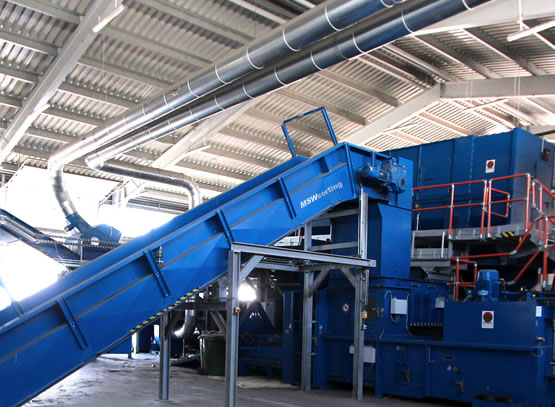
Leading Waste Sorting Solutions Provider
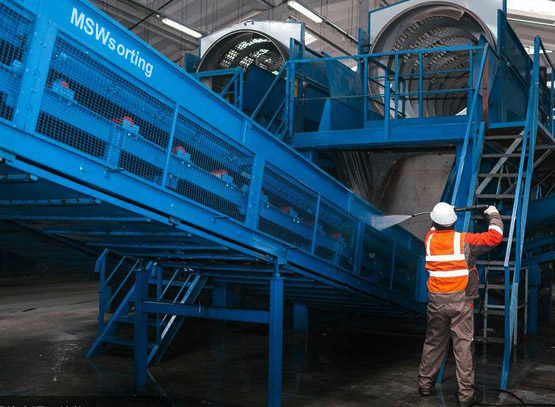
Leading Waste Sorting Equipment Manufacturing Center
Focus on waste recycling and sorting technology innovation. the pursuit of comprehensive, professional, timely and enthusiastic service to win the trust of customers, growing together with customers.
MSWsorting relies on the technical team who from University of Science and Technology of China. and based on himself research and manufacturing experiences accumulated over the past 30 years. Created China's first waste sorting technology research center.