RDF fuel from waste
LEADING WASTE SORTING AND RECYCLING EQUIPMENTS PROVIDER
What is RDF Fuel?

RDF Fuel, or Refuse Derived Fuel, is a high-energy fuel derived from various waste materials. These materials include municipal solid waste (MSW), industrial waste, and commercial waste. The process of creating RDF involves removing non-combustible components such as metals and glass, followed by shredding and drying the remaining waste. The result is a uniform, energy-rich fuel that can be used across multiple industries.
Benefits of RDF Fuel
Environmental Benefits
Reduces Landfill Waste: Converting waste to RDF significantly reduces the amount of waste that ends up in landfills, thus mitigating environmental pollution.
Lower Carbon Footprint: Using RDF as an alternative to fossil fuels helps in reducing greenhouse gas emissions.
Resource Recovery: The RDF process involves recycling and reusing materials that would otherwise be discarded, promoting a circular economy.
Economic Benefits
Cost-Effective Energy: RDF can be a more economical source of energy compared to traditional fossil fuels.
Waste Management Savings: Reducing landfill use lowers waste management costs for municipalities and businesses.
Energy Security: RDF provides an additional energy source, reducing dependence on imported fossil fuels.
How is Refuse Derived Fuel Produced?
Collection and Pre-sorting
The process begins with the collection of waste from various sources. This waste is then sorted to remove non-combustible and hazardous materials.
Shredding and Drying
The sorted waste is shredded to reduce its size and enhance its combustion properties. Following shredding, the waste is dried to reduce moisture content, making it a more efficient fuel.
Compaction and Baling
The final step involves compacting the shredded and dried waste into bales or pellets. This makes it easier to transport and store.
Applications of RDF Fuel
RDF fuel can be used in various industrial applications, including:
Cement Kilns: RDF is used as an alternative fuel in cement kilns, providing a high-temperature environment for efficient combustion.
Power Plants: Some power plants use RDF to generate electricity, contributing to the diversification of energy sources.
Industrial Boilers: RDF can be used in industrial boilers to generate heat and power for manufacturing processes.
Challenges and Considerations of RDF fuel
While RDF fuel presents numerous benefits, there are challenges and considerations to keep in mind:
Quality Control: Ensuring the consistent quality of RDF is crucial for its effective use.
Emissions Control: RDF combustion can produce emissions that need to be managed with appropriate technologies.
Regulatory Compliance: Adhering to environmental regulations is essential to prevent potential legal issues.
The Future of RDF fuel
The future of RDF looks promising with advancements in technology and increasing awareness of sustainable practices. Innovations in waste sorting and processing technologies are expected to enhance the efficiency and viability of RDF production.
ADVANTAGE
WHY CHOOSE MSWsorting
Focus on waste sorting technology more than 30 years
Research & Development
Professional waste sorting R&D team
Engineering Design
Multifarious engineering design Services
High Quality & Services
Stable operation and good service
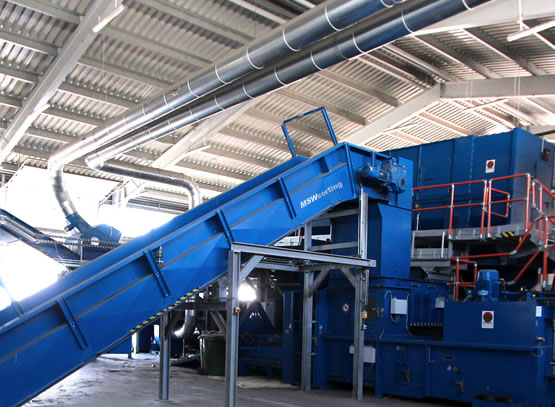
Leading Waste Sorting Solutions Provider
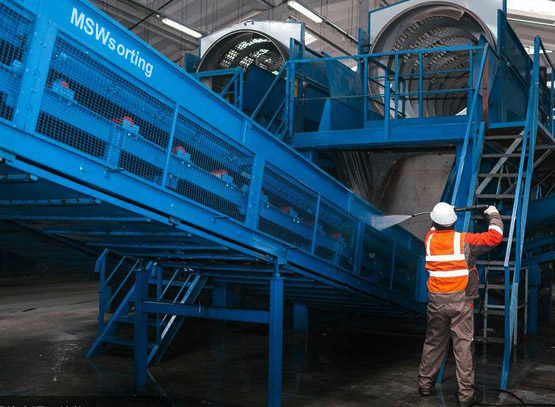
Leading Waste Sorting Equipment Manufacturing Center
Focus on waste recycling and sorting technology innovation. the pursuit of comprehensive, professional, timely and enthusiastic service to win the trust of customers, growing together with customers.
MSWsorting relies on the technical team who from University of Science and Technology of China. and based on himself research and manufacturing experiences accumulated over the past 30 years. Created China's first waste sorting technology research center.