RDF processing plant solution
LEADING WASTE SORTING AND RECYCLING EQUIPMENTS PROVIDER
What is RDF production plant?

RDF plant converts solid waste into Refuse Derived Fuel through a series of steps, including sorting, shredding, magnetic and eddy current separation, air classification, drying, and pelletizing. This process produces a uniform, high-energy fuel source that can be used in various industrial applications, promoting sustainable waste management and energy recovery.
How to produce RDF?
Our Process
Our RDF processing involves a series of meticulous steps to ensure high-quality output. Here is a detailed breakdown of our comprehensive process:
1. Initial Sorting and High-Value Material Recovery
We start by segregating and recovering recyclable materials such as metals, glass, and certain plastics. This step enhances the economic viability and environmental sustainability of the RDF production process.
2. Coarse Shredding
Large waste items are reduced in size through coarse shredding, facilitating easier handling and further processing. Our robust shredders ensure effective size reduction.
3. Screening
The screened material is separated based on size, ensuring that only appropriately sized particles proceed to subsequent stages. This step improves process efficiency and output quality.
4. Magnetic Separation
Using powerful magnets, we remove ferrous metals from the waste stream, preventing equipment damage and ensuring the quality of RDF pellets.
5. Eddy Current Separation
Non-ferrous metals like aluminum and copper are extracted using eddy current separators, further refining the waste material and maximizing metal recovery.
6. Air Classification (Wind Sifting)
Light materials such as paper and plastic films are separated from heavier items using a stream of air, enhancing the homogeneity and calorific value of the RDF pellets.
7. Drying
Moisture content is reduced through drying, resulting in a dry, friable material that is easier to shred and pelletize. Efficient drying is crucial for producing high-quality RDF pellets.
8. Primary and Secondary Shredding
The dried material undergoes primary and secondary shredding, resulting in fine, homogeneous particles ready for pelletization.
9. Pelletizing
The finely shredded material is compressed through dies to form dense, cylindrical RDF pellets, improving handling and combustion characteristics.
10. Cooling and Packaging
Post-pelletizing, the RDF pellets are cooled to stabilize and improve their physical integrity. They are then packaged for transport and storage, ensuring protection from moisture and contamination.
Benefits of Our RDF Processing Solutions
Environmental Sustainability: Converts waste into a valuable fuel source, reducing landfill usage and greenhouse gas emissions.
Economic Viability: RDF processing plants create economic benefits by turning waste into a marketable product. The production of RDF pellets generates revenue from selling the pellets as a fuel source to industries such as cement manufacturing and power generation. Additionally, the recovery of valuable materials during the sorting process, such as metals, provides an additional revenue stream. This economic viability can attract investments and create jobs in the waste management sector.
Efficiency: Advanced technology and processes ensure high efficiency and quality of RDF pellets.
Versatility: RDF pellets can be used in various industrial applications, including cement kilns and power plants.
Applications of RDF
RDF can be used in various industrial applications, including:
Cement Kilns: RDF is used as an alternative fuel in cement kilns, providing a high-temperature environment for efficient combustion.
Power Plants: Some power plants use RDF to generate electricity, contributing to the diversification of energy sources.
Industrial Boilers: RDF can be used in industrial boilers to generate heat and power for manufacturing processes.
Community Benefits
RDF processing plants can have positive impacts on local communities. By effectively managing waste and reducing landfill use, these plants contribute to cleaner environments and improved public health. They can also provide educational opportunities for communities to learn about sustainable waste management practices and the importance of recycling.
Future Prospects
The future of RDF processing plants looks promising with ongoing advancements in technology and increasing emphasis on sustainable practices. As global waste generation continues to rise, the demand for effective waste-to-energy solutions will grow. RDF processing plants will play a crucial role in meeting this demand, contributing to a circular economy where waste is continuously repurposed into valuable resources.
ADVANTAGE
WHY CHOOSE MSWsorting
Focus on waste sorting technology more than 30 years
Research & Development
Professional waste sorting R&D team
Engineering Design
Multifarious engineering design Services
High Quality & Services
Stable operation and good service
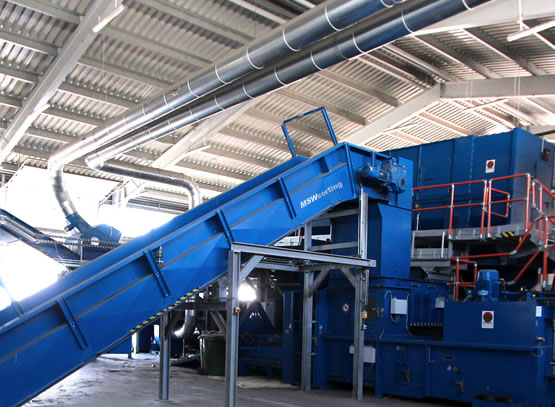
Leading Waste Sorting Solutions Provider
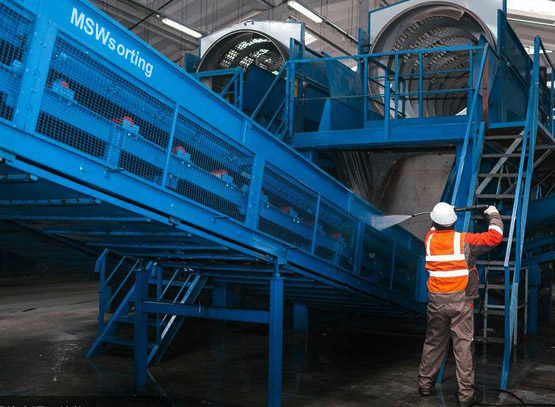
Leading Waste Sorting Equipment Manufacturing Center
Focus on waste recycling and sorting technology innovation. the pursuit of comprehensive, professional, timely and enthusiastic service to win the trust of customers, growing together with customers.
MSWsorting relies on the technical team who from University of Science and Technology of China. and based on himself research and manufacturing experiences accumulated over the past 30 years. Created China's first waste sorting technology research center.