RDF manufacturing system
LEADING WASTE SORTING AND RECYCLING EQUIPMENTS PROVIDER
Refuse Derived Fuel Manufacturing

The RDF manufacturing process is a sophisticated method that systematically converts solid waste into high-energy Refuse Derived Fuel (RDF) pellets, involving meticulous stages such as initial sorting, shredding, separation, drying, pelletizing, and packaging, offering a sustainable, efficient, and environmentally friendly solution for waste management and energy production.
RDF Manufacturing Process Steps
1. Initial Sorting and High-Value Material Recovery
Recyclable materials such as metals, glass, and specific plastics are separated from the waste stream to maximize resource recovery and economic viability.
2. Coarse Shredding
Large waste items are reduced in size through coarse shredding, making them easier to handle and process in subsequent stages.
3. Screening
Waste materials are screened to segregate them based on size, ensuring only suitably sized particles proceed to the next steps, enhancing process efficiency.
4. Magnetic Separation
Ferrous metals are extracted using magnetic separators, preventing damage to equipment and improving the quality of the final RDF pellets.
5. Eddy Current Separation
Non-ferrous metals such as aluminum and copper are removed using eddy current separators, further refining the waste stream and recovering valuable metals.
6. Air Classification (Wind Sifting)
Light materials like paper and plastic films are separated from heavier items using air streams, improving the calorific value and homogeneity of the RDF pellets.
7. Drying
The moisture content of the waste material is reduced through drying, producing a friable material that is easier to shred and pelletize, and ensuring consistent energy content in the RDF pellets.
8. Primary and Secondary Shredding
The dried material undergoes primary and secondary shredding to achieve a fine, homogeneous particle size, preparing it for pelletization.
9. Pelletizing
The shredded material is compressed through dies in pelletizing machines, forming dense, cylindrical RDF pellets that are easy to handle and store.
10. Cooling and Packaging
After pelletizing, the RDF pellets are cooled to stabilize them and then packaged for transport and storage, ensuring they remain dry and uncontaminated.
Environmental Impact and Economic Benefits
RDF manufacturing significantly reduces the environmental footprint of waste management. By converting solid waste into fuel, we reduce landfill volumes and associated methane emissions, protect groundwater from contamination, and lower dependence on fossil fuels, thereby reducing greenhouse gas emissions.
The RDF manufacturing process creates economic opportunities by transforming waste into a valuable fuel product. This not only generates revenue from selling RDF pellets but also from recovering high-value materials such as metals during the sorting process. The process also supports job creation and attracts investment in the waste management sector.
Technology and Innovation
Our RDF manufacturing plants utilize state-of-the-art technology to enhance efficiency and output quality. Innovations in shredding, separation, and pelletizing technologies ensure the production of high-quality RDF pellets. Automation and smart systems provide real-time monitoring and optimization, resulting in higher productivity and lower operational costs.
Challenges and Considerations
While RDF presents numerous benefits, there are challenges and considerations to keep in mind:
Quality Control: Ensuring the consistent quality of RDF is crucial for its effective use.
Emissions Control: RDF combustion can produce emissions that need to be managed with appropriate technologies.
Regulatory Compliance: Adhering to environmental regulations is essential to prevent potential legal issues.
Future Prospects
The future of RDF manufacturing is promising, with ongoing technological advancements and a growing emphasis on sustainable practices. As global waste generation increases, the demand for effective waste-to-energy solutions will rise. RDF manufacturing will play a crucial role in meeting this demand, contributing to a circular economy where waste is continuously repurposed into valuable resources.
ADVANTAGE
WHY CHOOSE MSWsorting
Focus on waste sorting technology more than 30 years
Research & Development
Professional waste sorting R&D team
Engineering Design
Multifarious engineering design Services
High Quality & Services
Stable operation and good service
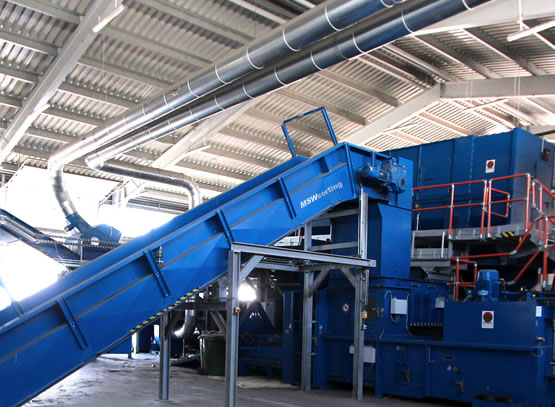
Leading Waste Sorting Solutions Provider
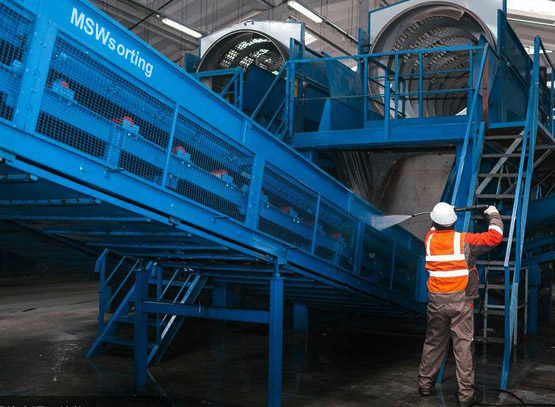
Leading Waste Sorting Equipment Manufacturing Center
Focus on waste recycling and sorting technology innovation. the pursuit of comprehensive, professional, timely and enthusiastic service to win the trust of customers, growing together with customers.
MSWsorting relies on the technical team who from University of Science and Technology of China. and based on himself research and manufacturing experiences accumulated over the past 30 years. Created China's first waste sorting technology research center.