Horizontal Baler Machine
Horizontal balers are essential machines in large-scale waste management and recycling operations. With a versatile design, they efficiently compact a wide range of materials such as cardboard, plastics, and metals.

What is a Horizontal Baler?
A horizontal baler is a robust waste compaction machine designed to compress recyclable materials into dense, uniform bales. Unlike vertical balers, which operate in an upright position, horizontal balers feed materials into a horizontal chamber, using a horizontal hydraulic press to compact waste into bales. These machines are primarily used in industrial settings that require large-scale waste management, such as recycling facilities, warehouses, and manufacturing plants.
How Does a Horizontal Baler Work?
Horizontal balers operate on the principle of hydraulic force, utilizing a horizontal pressing mechanism. The waste material is loaded into the machine's chamber, and a powerful hydraulic ram pushes the material through the baling area, compressing it into tight, compact bales. Once the bale reaches the desired size, the machine automatically ties the bale using wire, plastic, or twine to secure it. The finished bale is then ejected from the machine and is ready for storage, transport, or further recycling processes.
Types of Horizontal Balers
Horizontal balers come in a variety of configurations, designed to handle different materials and waste volumes. The most common types include:
Small Horizontal Balers: These compact machines are ideal for businesses that have moderate waste volumes. They are typically used in medium-sized manufacturing facilities, distribution centers, or small recycling plants. Despite their smaller size, they still offer high efficiency and reliable compaction for materials like cardboard and plastics.
Medium Horizontal Balers: Designed for industries with higher waste output, these balers can handle larger volumes of materials, such as mixed recyclables and plastic scrap. They are commonly used in warehouses, large retail chains, and manufacturing facilities that need to process significant amounts of waste.
Heavy-Duty Horizontal Balers: These large-scale balers are built for high-volume waste compaction. They can handle a wide range of materials, including cardboard, plastics, metals, and textiles. Heavy-duty balers are perfect for large recycling centers, industrial plants, and waste management facilities that require heavy-duty machines capable of processing large quantities of waste efficiently.
Benefits of Horizontal Balers
Horizontal balers offer several key advantages, especially for businesses that manage significant amounts of waste. These benefits include:
Increased Efficiency: Horizontal balers can handle larger waste volumes compared to vertical models, reducing the need for frequent emptying or handling. They compact material at a higher speed, improving overall operational efficiency.
Consistent Bale Quality: The horizontal orientation of these balers ensures uniform pressure distribution, resulting in consistently high-quality, dense bales that are easier to handle, store, and transport.
Enhanced Safety: Many horizontal balers come with automated features, such as automatic bale ejection, minimizing manual labor and improving safety in the workplace.
Space-Efficient Storage: Horizontal balers produce tight, well-compressed bales that require less storage space. This makes it easier for businesses to store large quantities of waste without occupying excessive floor space.
Reduced Waste Disposal Costs: By compacting waste materials into smaller, more manageable bales, businesses can lower transportation costs and reduce the frequency of waste pickups, leading to cost savings.
Key Considerations When Choosing a Horizontal Baler
When selecting a horizontal baler for your business, there are several important factors to consider:
Material Type: Different balers are designed to handle different types of materials. Be sure to choose a baler that can handle the specific materials your business processes. For example, some balers are optimized for cardboard, while others can handle metals, plastics, or mixed materials.
Waste Volume: Consider the amount of waste your business generates. Larger businesses with high-volume waste streams will need a more powerful, industrial-grade horizontal baler, while smaller operations may benefit from a more compact model.
Available Space: Horizontal balers can be larger and more complex than their vertical counterparts. Before selecting a machine, ensure you have enough space in your facility to accommodate the baler and allow for efficient operation and maintenance.
Automation Features: Look for balers that come with automated features, such as automatic bale tying, bale ejection, and control systems. Automation can significantly improve the efficiency and safety of the baling process.
Maintenance and Durability: Choose a baler that is built for durability and easy maintenance. Regular upkeep is crucial to ensure optimal performance and extend the lifespan of the machine.
Maintaining a Horizontal Baler
Proper maintenance of your horizontal baler is essential to keep it running smoothly and ensure longevity. Here are a few tips to maintain optimal performance:
Inspect Hydraulic System: Regularly check the hydraulic fluid levels and look for any leaks. Keeping the hydraulic system in top condition ensures the baler operates with maximum efficiency.
Clean the Baling Chamber: Ensure the baling chamber is free from any obstructions or build-ups of waste material. This will help the machine operate at peak performance and prevent blockages.
Lubricate Moving Parts: Apply lubrication to moving components like the ram, press plates, and conveyor systems to reduce wear and ensure smooth operation.
Monitor Electrical Systems: Regularly check the machine's electrical components and wiring for any signs of wear or malfunction. This helps to avoid operational interruptions or safety hazards.
Conclusion
Horizontal balers are an excellent choice for large-scale waste management operations that require efficiency, speed, and high-capacity compaction. By selecting the right baler for your business needs, you can improve waste handling efficiency, reduce operational costs, and contribute to a cleaner environment. Whether you are dealing with cardboard, plastics, metals, or other materials, a horizontal baler can streamline your recycling efforts and improve overall productivity.
Investing in a horizontal baler will not only help your business become more sustainable but will also reduce waste disposal costs and improve the efficiency of your recycling operations. Consider your material needs, space availability, and operational goals when choosing the best baler for your business.
FLEXIBLE SORTING TECHNOLOGY AND SOLUTION
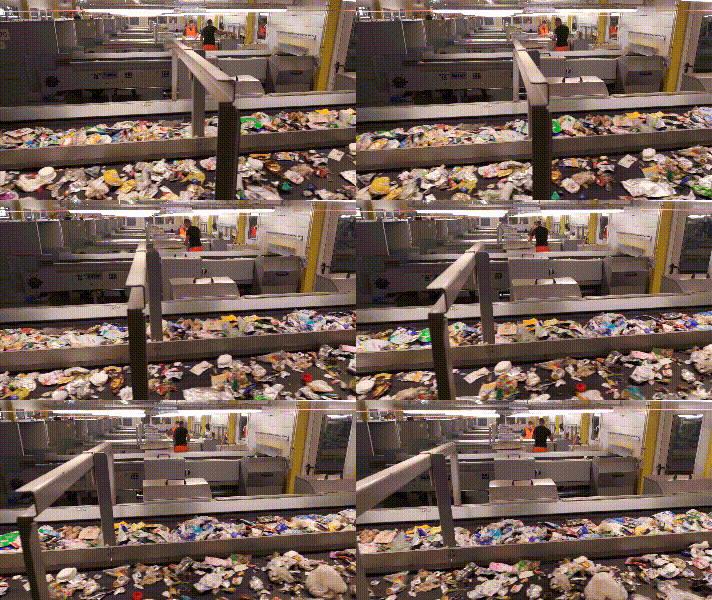
Manual Sorting Solutions
Belt ConveyorManual Sorting Room
For countries with low labor costs, a combination of mechanical and manual sorting can be used, which is a cost-effective waste sorting and recycling solution.
Read More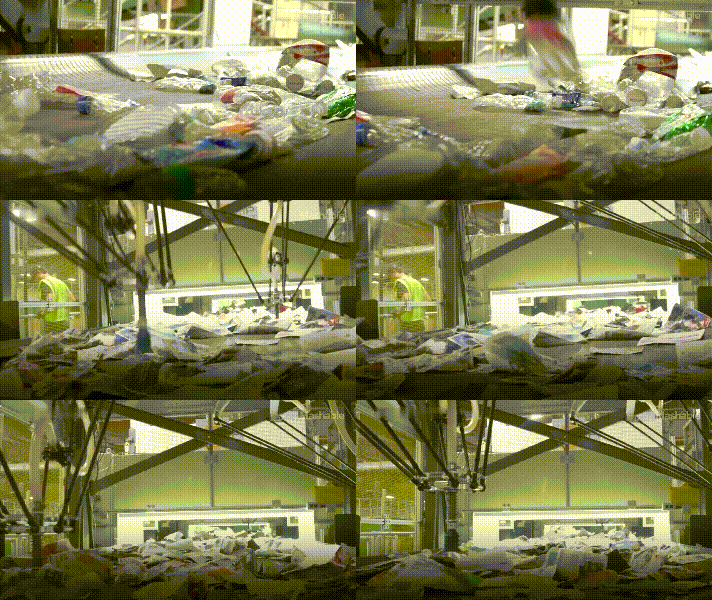
AI Robot Sorting Solutions
AI SortingSorting Robot
The artificial intelligence sorting robot with autonomous learning can practice and accumulate sorting data. It can effectively sort various high-value recyclables.
Read More
Optical Sorting Solutions
Optical Sorting
Optical sorter is a automatic sorting device based on sensors, high-speed ejector valve has large processing capacity. It is a good choice for bulk handling project of waste recycling.
Read More