Vertical Baler Machine
Vertical baler play a critical role in optimizing waste management processes, helping businesses compact and store recyclables more efficiently. Whether you're dealing with cardboard, plastics, or other recyclable materials, vertical balers are an invaluable asset in your waste reduction strategy.

What is a Vertical Baler?
A vertical baler is a machine designed to compact various types of waste into tightly compressed bales. These bales are not only easier to handle, store, and transport, but they also contribute to a more efficient recycling process. Vertical balers use a hydraulic press to compress materials like cardboard, plastics, textiles, and metals into uniform bales that are typically secured with wire ties or plastic straps. The result is a more manageable, space-efficient solution for handling large volumes of waste.
How Do Vertical Balers Work?
Vertical balers operate through a straightforward yet effective method. The process begins with loading waste materials into a vertical chamber. A hydraulic ram then applies force to compress these materials, effectively reducing their volume. Once the waste is compacted to the desired size, the machine ejects the bale, which is secured either by wire or plastic strapping. The compacted bales can then be stored for recycling or transportation. This method of waste compaction is particularly effective for materials that are bulky or voluminous, such as cardboard, paper, and plastics.
Types of Vertical Balers
Vertical balers come in a variety of sizes and configurations to suit different types of businesses and waste volumes. Here are the most common types:
Small Vertical Balers: These compact machines are ideal for small businesses or facilities with limited space. They are designed for low to moderate waste volumes, such as small amounts of cardboard and paper. Their compact size makes them perfect for retail locations, offices, or small production areas.
Medium Vertical Balers: Medium-sized balers are designed for businesses with moderate waste output. These machines are capable of handling larger volumes of materials and can process cardboard, plastics, textiles, and some metals. They are common in warehouses, distribution centers, and small manufacturing facilities.
Heavy-Duty Vertical Balers: Suitable for high-volume waste producers, these balers are built for durability and can handle substantial amounts of materials, such as high-density plastics and metals. They are typically found in large industrial settings, such as recycling centers, manufacturing plants, and logistics companies.
Benefits of Vertical Balers
Vertical balers provide numerous advantages that help businesses improve their waste management processes, enhance efficiency, and reduce environmental impact:
Space Optimization: Vertical balers compact waste materials into dense bales, which reduces the need for large storage areas. By compressing bulky materials like cardboard and plastics, businesses can store more waste in a smaller space.
Cost Reduction: With vertical balers, businesses can lower transportation and waste disposal costs. Compact bales are easier to handle and can be more efficiently transported to recycling facilities, reducing the frequency of waste pickups.
Environmental Sustainability: Using vertical balers to compact recyclable materials helps reduce the amount of waste sent to landfills. This practice supports eco-friendly initiatives and encourages the recycling of valuable resources, contributing to a more sustainable business operation.
Revenue Generation: Many companies can sell their compacted bales to recycling firms. This additional revenue stream can offset the initial investment cost of the baler and enhance overall business profitability.
How to Choose the Right Vertical Baler
Choosing the right vertical baler for your business involves understanding the specific needs of your operation. Here are some key factors to consider when making your selection:
Material Type: Different balers are optimized for various materials. Some are specifically designed for cardboard, while others can handle plastics, metals, and textiles. Ensure the baler you select is compatible with the waste your business generates.
Waste Volume: Consider how much waste your business produces on a daily, weekly, or monthly basis. Small businesses may benefit from a compact baler, while larger operations may require a heavy-duty model capable of handling greater volumes of waste.
Available Space: Measure the area where you plan to install the baler. If space is limited, opt for a smaller, more compact model. However, if you have sufficient space, a larger machine may offer increased capacity and efficiency.
Budget: Factor in the upfront cost of the baler, as well as maintenance and operation costs. While a more expensive model may offer higher capacity, make sure the investment aligns with your business's waste management goals and budget.
Maintaining Your Vertical Baler
To ensure your vertical baler continues to operate efficiently, regular maintenance is essential. Here are some key maintenance tips:
Inspect the Hydraulic System: The hydraulic system is the heart of the baler. Regularly check for leaks, ensure proper fluid levels, and inspect hoses for wear and tear.
Check the Ram and Press Plate: Over time, the ram and press plate can become worn. Make sure they are aligned and functioning properly to ensure optimal compaction.
Clean the Machine: Dust, debris, and materials can accumulate in the machine. Keep the machine clean to prevent clogs and maintain smooth operation.
Lubricate Moving Parts: Apply lubrication to moving parts like pistons and conveyors to reduce friction and prevent unnecessary wear.
Conclusion
Vertical balers are an invaluable tool for businesses looking to optimize their waste management processes, improve recycling efficiency, and reduce operating costs. With various sizes and capacities available, there's a vertical baler suitable for any business, from small retail shops to large industrial plants. By selecting the right model and maintaining it properly, businesses can enjoy the benefits of a cleaner, more efficient, and sustainable waste management system.
FLEXIBLE SORTING TECHNOLOGY AND SOLUTION
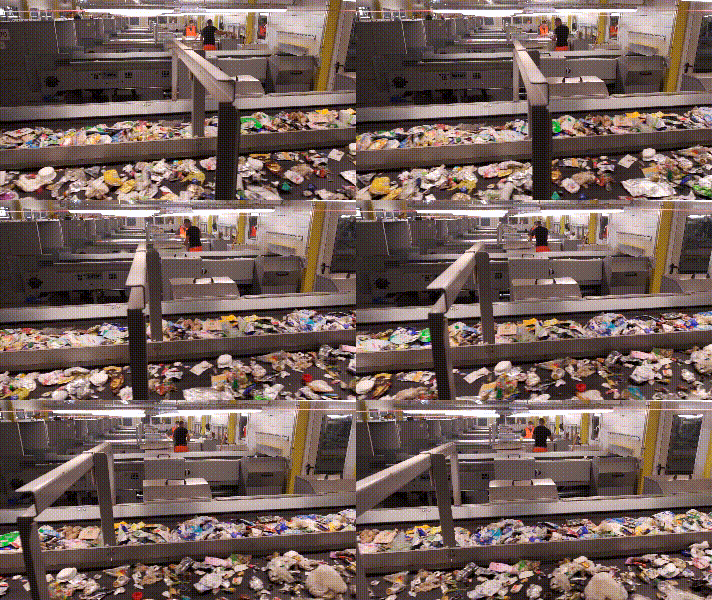
Manual Sorting Solutions
Belt ConveyorManual Sorting Room
For countries with low labor costs, a combination of mechanical and manual sorting can be used, which is a cost-effective waste sorting and recycling solution.
Read More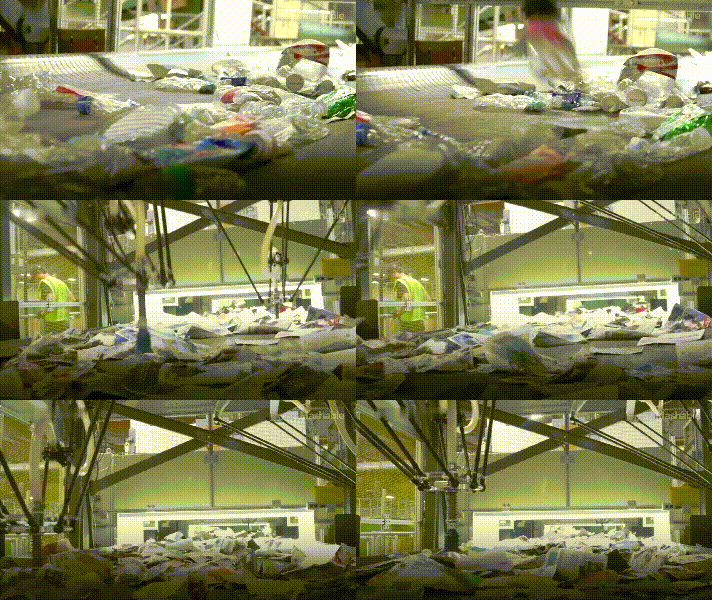
AI Robot Sorting Solutions
AI SortingSorting Robot
The artificial intelligence sorting robot with autonomous learning can practice and accumulate sorting data. It can effectively sort various high-value recyclables.
Read More
Optical Sorting Solutions
Optical Sorting
Optical sorter is a automatic sorting device based on sensors, high-speed ejector valve has large processing capacity. It is a good choice for bulk handling project of waste recycling.
Read More