WC1 Waste Conveyor
By MSWsorting Systems
LEADING WASTE SORTING AND RECYCLING EQUIPMENTS PROVIDER
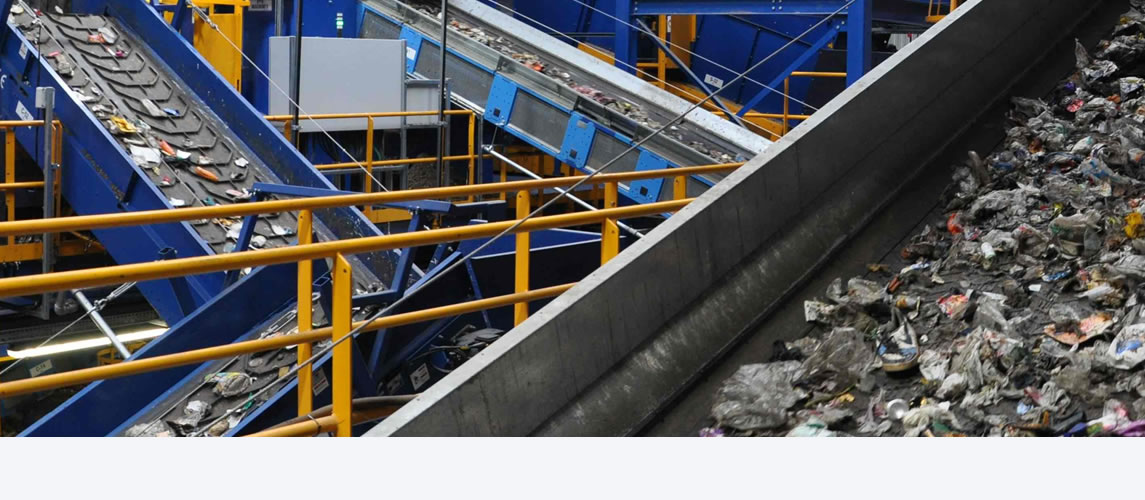
A waste conveying machine is a critical component in modern waste management and recycling facilities. It is a mechanical system designed to transport solid waste materials from one point to another within a processing plant. These machines form the backbone of Material Recovery Facilities (MRFs) and Mechanical Biological Treatment (MBT) plants, ensuring a continuous and controlled flow of materials through various sorting, shredding, and separation stages. Essentially, they act as the arteries of the recycling system, moving everything from mixed municipal solid waste to pre-sorted recyclables efficiently and reliably.
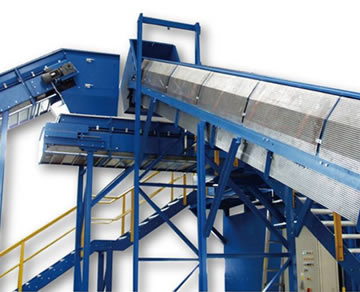
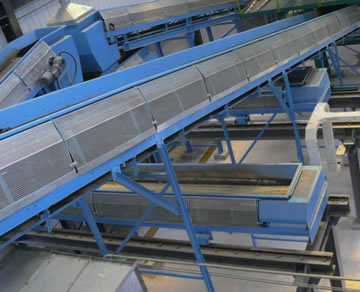
The design and construction of these conveyors are robust to handle abrasive, heavy, and often unpredictable loads. They come in various types, including belt conveyors, chain conveyors, screw conveyors, and vibrating conveyors, each selected based on the specific type of waste being handled and the required transport function. Without these systems, the automated sorting and processing of waste on an industrial scale would be impractical, as manual handling would be too slow, costly, and hazardous.
Modern waste conveying machines incorporate several key features to ensure durability, safety, and efficiency. They are typically built with heavy-duty, wear-resistant materials like reinforced rubber belts or steel chains to withstand constant exposure to sharp objects, corrosive substances, and heavy impacts. Many systems include integrated safety mechanisms such as emergency stop cords, guards, and sensors to protect workers from moving parts and to halt operation if a jam or overload is detected. Furthermore, they are designed for easy maintenance, with accessible components and modular parts that can be replaced without shutting down the entire line for extended periods.
Another crucial feature is their adaptability. Conveyors can be customized with variable speed drives, allowing operators to control the flow rate of materials to match the processing capacity of downstream equipment like optical sorters or crushers. Some advanced systems are also equipped with load sensors and automated control systems that integrate with the plant's central computer, optimizing the entire waste stream's movement for maximum throughput and energy efficiency. This intelligent design minimizes bottlenecks and ensures a smooth, continuous operation.
The operation of a waste conveying machine begins at the infeed point, where waste is loaded onto the system, often from a pre-shredder, bag opener, or directly from a collection vehicle. For a common belt conveyor, an electric motor drives a pulley, which in turn moves a continuous loop of a reinforced belt. The waste material rests on this moving belt and is transported along a predetermined path. The belt travels over a series of rollers or a slider bed that provides support and reduces friction. The path can be horizontal, inclined, or even declined, depending on the layout of the facility and the need to feed material to equipment at different heights.
As the waste travels, it may pass through several processing stations. For instance, it might move under a magnet to remove ferrous metals, proceed past manual picking stations where workers remove large contaminants, or feed directly into an automated sorting machine like an air classifier or optical sorter. The key to its function is providing a steady, uniform stream of material. Speed, belt width, and side guards are all calibrated to prevent spillage and ensure that the material is presented correctly to each subsequent processing unit. At the end of its journey, the material is typically discharged into a bunker, onto another conveyor, or directly into a processing machine like a baler or crusher.
Waste conveying machines have ubiquitous applications across the waste management and recycling industry. Their primary use is within Material Recovery Facilities (MRFs), where they transport mixed recyclables (plastics, paper, metals, glass) through a series of manual and automated sorting stages. They are indispensable in moving material from the initial tipping floor, through screens like trommels or disc screens that separate by size, and past specialized separators like eddy current systems for non-ferrous metals or optical sorters for different plastic polymers. The entire sorting process relies on a synchronized network of conveyors.
Beyond standard MRFs, these machines are vital in other specialized facilities. In Mechanical Biological Treatment (MBT) plants, conveyors move mixed waste through shredders and biological treatment modules. In waste-to-energy plants, they transport refuse-derived fuel (RDF) to incinerators. They are also used in construction and demolition (C&D) recycling yards to move heavy debris like concrete, wood, and metals. Furthermore, in composting facilities, conveyors are used to turn and aerate organic waste piles, facilitating the decomposition process. Essentially, any operation that requires the bulk movement of solid waste materials employs some form of conveying technology.
The implementation of waste conveying machines offers substantial benefits, foremost being a dramatic increase in operational efficiency and throughput. By automating the transport of materials, these systems enable the processing of vast quantities of waste that would be impossible to handle manually. They create a continuous, controlled flow that maximizes the uptime and effectiveness of high-value sorting and processing equipment downstream. This leads to higher recovery rates of recyclable materials, more consistent output quality, and ultimately, greater profitability for the recycling operation. The systemized movement also allows for better process control and optimization.
Another major benefit is the significant improvement in worker health and safety. Conveyors eliminate the need for heavy, repetitive manual lifting and carrying of waste, reducing the risk of musculoskeletal injuries. They also minimize direct contact with potentially hazardous waste, lowering exposure to sharp objects, biohazards, and dust. From an economic perspective, while the initial investment can be considerable, conveying systems reduce long-term labor costs and increase the overall capacity of a plant. Environmentally, by making large-scale recycling efficient and viable, they play a fundamental role in diverting waste from landfills, conserving natural resources, and reducing the carbon footprint associated with raw material extraction and processing.
By MSWsorting Systems
By MSWsorting Systems

By MSWsorting Systems
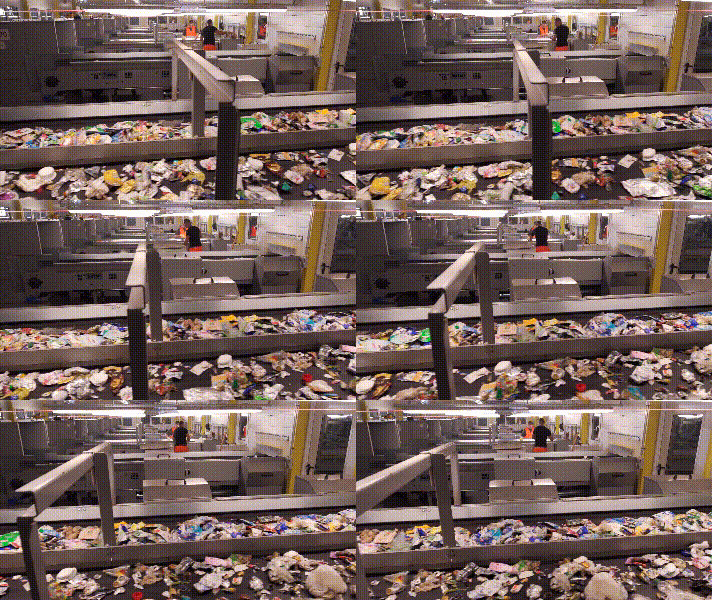
Belt ConveyorManual Sorting Room
For countries with low labor costs, a combination of mechanical and manual sorting can be used, which is a cost-effective waste sorting and recycling solution.
Read More
AI SortingSorting Robot
The artificial intelligence sorting robot with autonomous learning can practice and accumulate sorting data. It can effectively sort various high-value recyclables.
Read More
Optical Sorting
Optical sorter is a automatic sorting device based on sensors, high-speed ejector valve has large processing capacity. It is a good choice for bulk handling project of waste recycling.
Read More