WMS1 Magnetic Separator
By MSWsorting Systems
LEADING WASTE SORTING AND RECYCLING EQUIPMENTS PROVIDER
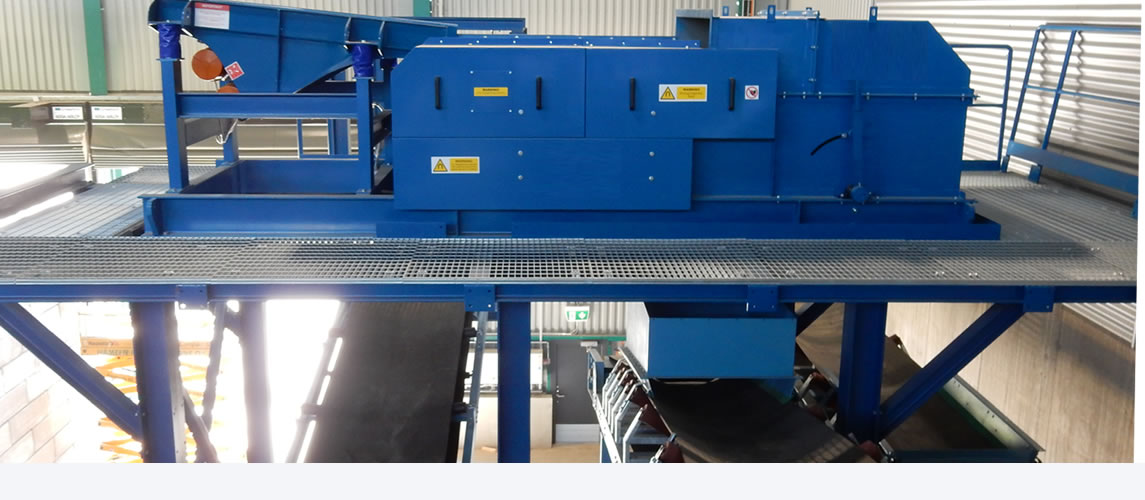
A Waste Magnetic Separator is a specialized industrial machine designed to automatically extract ferrous metals—such as iron and steel—from mixed waste streams. It is a critical component within larger Material Recovery Facilities (MRFs) and recycling plants. By using powerful magnetic forces, this equipment efficiently pulls out items like food cans, construction debris, bottle caps, and other magnetic scraps from a fast-moving conveyor belt of garbage. Its primary role is to purify the waste stream, ensuring that valuable metals are recovered for recycling while protecting downstream equipment from potential damage caused by tramp metal.
Modern Waste Magnetic Separators are engineered for durability and high performance in demanding environments. They typically feature self-cleaning belts or drums that automatically discharge the captured metals into a separate collection bin, allowing for continuous, uninterrupted operation. The magnets themselves are often made from rare-earth materials like neodymium, providing exceptionally strong magnetic fields to capture even small or partially concealed ferrous items. Many systems are also equipped with adjustable suspension heights and variable speed drives, giving operators precise control over the separation process based on the specific waste composition being handled.
The operation of a magnetic separator is a straightforward yet highly effective application of physics. The process begins when pre-sorted waste is spread onto a conveyor belt. As this material travels along, it passes over or under a strategically positioned magnetic rotor or drum. This key component houses a powerful, stationary magnet assembly. As the non-magnetic shell of the drum rotates, the magnetic field remains fixed, creating a powerful attracting force on the belt below.
When ferrous metals come within the influence of this magnetic field, they are instantly attracted and lifted from the waste stream. They cling to the moving surface of the drum or belt. As the drum continues its rotation, it carries the attached metals away from the main flow of waste. Once the metals move past the direct influence of the magnet's pole, the magnetic force is broken, or a scraper blade assists, causing them to fall off into a dedicated chute or bin. Meanwhile, the remaining non-magnetic material (plastics, paper, glass, aluminum) continues unimpeded on the main conveyor to the next sorting stage.
Waste Magnetic Separators are ubiquitous in municipal solid waste management. They are the first line of defense for metal recovery in curbside recycling programs, pulling steel cans and other ferrous contaminants from commingled recyclables. In construction and demolition (C&D) waste processing plants, these separators are indispensable for recovering rebar, nails, and other structural steel, turning demolition sites into valuable sources of scrap metal.
Beyond traditional waste, these systems are vital in specialized industrial settings. They are used in electronic waste (e-waste) recycling to separate steel casings and components from circuit boards. At landfills, they are often employed in trommel screen lines to extract metals from aged waste, a process known as landfill mining. Their robust design also makes them suitable for processing bulky waste, shredded automobile fragments, and even bottom ash from waste-to-energy incineration plants to recover ferrous metals before final disposal.
Integrating a magnetic separator into a waste sorting line delivers significant economic and operational advantages. The most direct benefit is the recovery of high-value ferrous scrap, which can be sold to steel mills, creating a revenue stream that offsets waste processing costs. This material recovery is fundamental to achieving high recycling rates and meeting regulatory targets for diversion from landfills. Furthermore, by removing metals early in the process, the separator prevents costly damage to sensitive downstream equipment like crushers, shredders, and optical sorters, reducing maintenance downtime and extending machinery lifespan.
From an environmental and quality perspective, the benefits are equally compelling. By efficiently extracting ferrous metals, the separator produces a cleaner stream of other materials like plastics and paper, which increases their purity and market value for recyclers. This enhances the overall efficiency of the recycling loop. Environmentally, it conserves natural resources and energy, as recycling steel uses significantly less energy than producing new steel from virgin ore. Ultimately, the use of magnetic separators is a cornerstone of sustainable waste management, promoting a circular economy where materials are continually reused.
By MSWsorting Systems

By MSWsorting Systems

By MSWsorting Systems
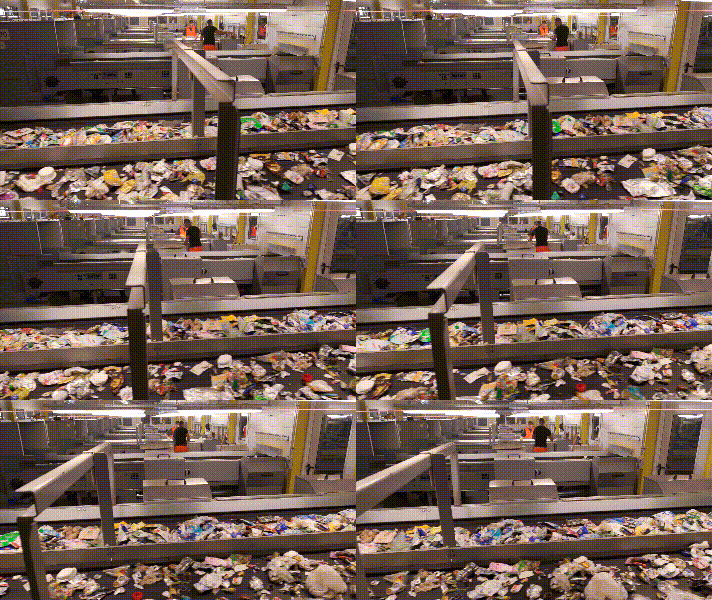
Belt ConveyorManual Sorting Room
For countries with low labor costs, a combination of mechanical and manual sorting can be used, which is a cost-effective waste sorting and recycling solution.
Read More
AI SortingSorting Robot
The artificial intelligence sorting robot with autonomous learning can practice and accumulate sorting data. It can effectively sort various high-value recyclables.
Read More
Optical Sorting
Optical sorter is a automatic sorting device based on sensors, high-speed ejector valve has large processing capacity. It is a good choice for bulk handling project of waste recycling.
Read More