WF1 Waste Feeder
By MSWsorting Systems
LEADING WASTE SORTING AND RECYCLING EQUIPMENTS PROVIDER
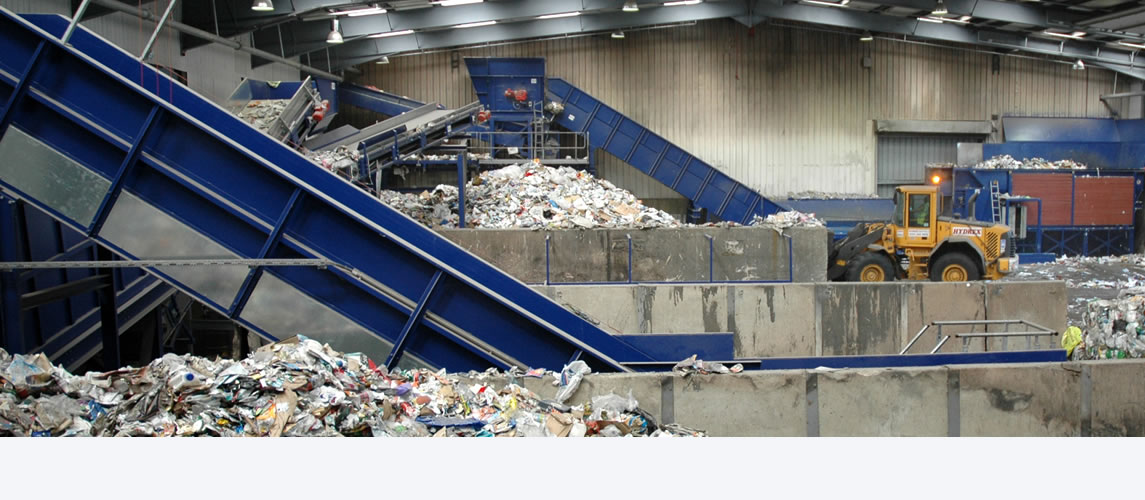
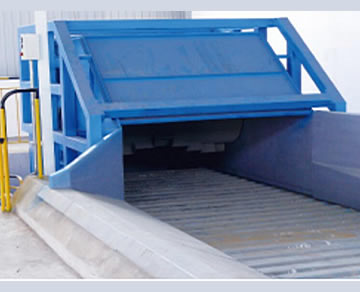
A Waste Feeding Machine is a critical component at the very beginning of a modern waste sorting and recycling facility. Its primary job is to receive, control, and prepare the mixed municipal solid waste (MSW) that arrives at the plant. Think of it as the "intake system" or "throat" of the entire operation. Instead of waste being dumped haphazardly onto a conveyor, this machine ensures a steady, controlled, and even flow of material onto the sorting line. It handles everything from household garbage bags to loose commercial waste, creating a consistent stream for the downstream equipment to process efficiently.
This machine is not just a simple hopper. It is a robust piece of industrial engineering designed to withstand harsh conditions, including heavy loads, abrasive materials, and potential contaminants. It acts as the first point of regulation, preventing the sorting line from being overloaded or starved of material, which is essential for the smooth operation of all subsequent high-tech sorting systems like optical sorters and AI robots. Without a reliable feeding machine, the entire sorting process would be chaotic and inefficient.
Modern Waste Feeding Machines incorporate several key features to ensure reliability and control. They are typically equipped with a large receiving hopper or bunker that can hold a significant volume of waste, allowing for continuous operation even when incoming truck deliveries are intermittent. Below this hopper, a regulated extraction system, often using hydraulic pusher plates or variable-speed conveyor belts, meters the waste onto the main conveyor belt at a precise and adjustable rate. This controlled discharge is crucial for preventing jams and ensuring optimal performance for the screens and sorters that follow.
Additional important features include heavy-duty construction with wear-resistant linings to combat abrasion, safety systems like emergency stop cords and guards, and sometimes integrated pre-processing elements. For instance, some feeding systems may include a bag opener or a coarse shredder to break open garbage bags and reduce the size of large items right at the intake point. This initial preparation makes the waste more uniform and easier for the downstream equipment to separate and identify different materials.
The operation of a Waste Feeding Machine follows a logical sequence to transform a pile of mixed waste into a manageable stream. The process begins when waste collection vehicles dump their loads into a large concrete tipping floor or directly into a deep storage bunker. A wheel loader or a grab crane then transfers the waste into the receiving hopper of the feeding machine. This hopper acts as a buffer, holding enough material to keep the plant running smoothly between loader cycles. The waste sits in this hopper until it is needed on the sorting line.
The core of the feeding process happens at the bottom of the hopper. Here, a mechanism such as a hydraulic ram or a series of pusher plates slowly and steadily pushes the waste onto the head of the main conveyor belt. The speed and force of this pusher are carefully controlled by an operator or an automated system. This ensures a consistent layer of waste—neither too thick nor too thin—travels down the conveyor. This even "curtain" of material is essential for the accuracy of later sorting stages, where sensors and robots need a clear, uncluttered view of each item to make correct sorting decisions.
The most common application for Waste Feeding Machines is in Material Recovery Facilities (MRFs), which focus on sorting recyclables like plastics, paper, and metals from the general waste stream. In these plants, the feeding machine provides the foundational first step, creating the steady input needed for the array of screens, magnets, eddy current separators, and optical sorters. Its role is to ensure that these sensitive and expensive downstream machines receive material at their designed capacity, maximizing recovery rates and purity of the sorted materials.
Beyond standard MRFs, these machines are also vital in Mechanical Biological Treatment (MBT) plants. In an MBT facility, the goal is not only to recover recyclables but also to prepare the remaining organic waste for composting or anaerobic digestion. Here, the feeding machine supplies waste to a series of shredders, screens, and biological treatment modules. Its controlled feeding is critical for the biological stages, which require a consistent feedstock to maintain efficient microbial activity. Furthermore, Waste Feeding Systems are integral to waste-to-energy plants, where they feed prepared waste into incinerators, and in construction & demolition waste recycling facilities, where they handle bulkier and more abrasive materials.
Implementing a dedicated Waste Feeding Machine offers significant operational benefits that translate into economic and environmental advantages. The foremost benefit is process optimization and stability. By providing a consistent and controlled feed rate, the machine prevents overloading on the main conveyor belt and downstream equipment. This eliminates bottlenecks, reduces the risk of mechanical jams and breakdowns, and allows all sorting technologies to operate at their peak efficiency. This stability directly increases the overall throughput of the facility and improves the quality of the sorted output, as optical sorters and robots perform best with a steady, even flow of material.
Another major benefit is enhanced safety and reduced labor intensity. The machine automates the heavy and hazardous task of manually moving waste from a pile onto a conveyor. It keeps workers at a safer distance from the raw waste stream and minimizes the need for manual pushing or raking. This leads to a safer work environment with a lower risk of injury. From a business perspective, the controlled feeding reduces wear and tear on expensive downstream machinery, lowering maintenance costs and extending equipment lifespan. Ultimately, by making the initial sorting stages more efficient and reliable, the waste feeding machine plays a key role in boosting recycling rates, conserving resources, and diverting more waste from landfills.

By MSWsorting Systems

By MSWsorting Systems
By MSWsorting Systems
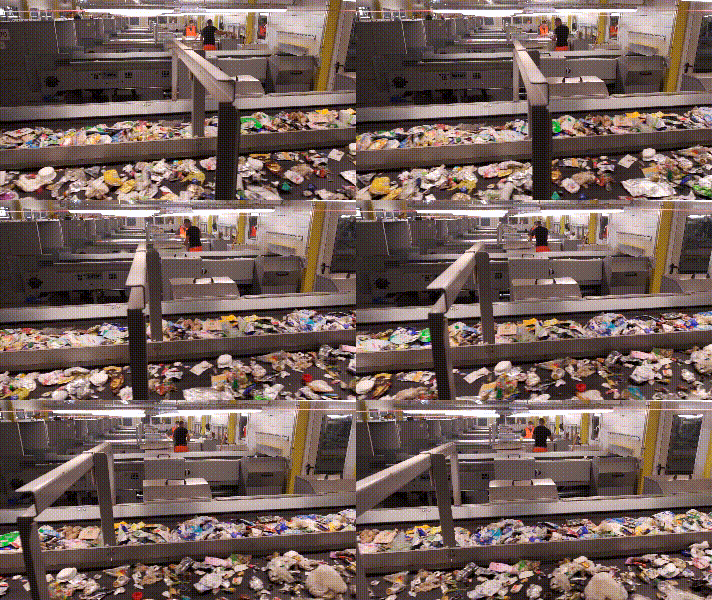
Belt ConveyorManual Sorting Room
For countries with low labor costs, a combination of mechanical and manual sorting can be used, which is a cost-effective waste sorting and recycling solution.
Read More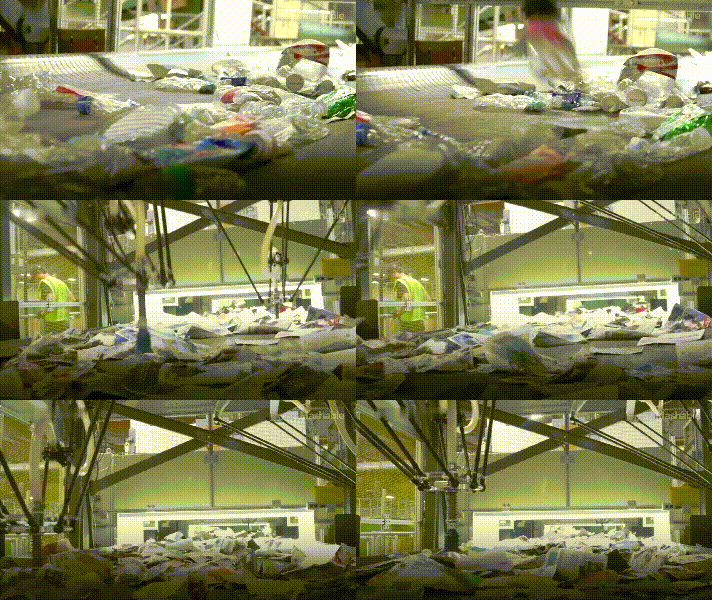
AI SortingSorting Robot
The artificial intelligence sorting robot with autonomous learning can practice and accumulate sorting data. It can effectively sort various high-value recyclables.
Read More
Optical Sorting
Optical sorter is a automatic sorting device based on sensors, high-speed ejector valve has large processing capacity. It is a good choice for bulk handling project of waste recycling.
Read More