200m³ Membrane Composting Systems
Based on MSWsorting sorting solutions
Membrane composting solutions for organic waste treatment

Membrane composting is a relatively novel approach to composting, Utilizing the special microporous structure of the membrane, the organic matter has a controllable pressurized and breathable airtight environment during fermentation, which does not allow bacteria and odors to pass through, is waterproof and windproof, and can maintain the humidity and temperature required for organic matter composting. The degradation time of organic matter is accelerated, and the surrounding environment is not polluted.
Membrane composting holds promise as a sustainable solution for managing organic waste and enhancing resource recovery.
A Membrane Composting System represents an innovative and advanced method for processing organic waste. Unlike traditional open-air windrows or enclosed vessels, this technology utilizes a specially engineered, semi-permeable membrane to cover the composting material. This membrane creates a controlled, pressurized environment that is central to the system's function. The core principle is to manage the conditions inside the compost pile with high precision, accelerating the natural decomposition process while rigorously containing any potential nuisances.
The membrane itself is a technological marvel, typically made from a robust, multi-layered polymer fabric. Its key characteristic is a microporous structure—tiny pores that are engineered to a specific size. These pores allow for the controlled exchange of gases, such as releasing carbon dioxide and water vapor while maintaining internal pressure. Crucially, they act as a barrier, preventing the escape of odors, airborne bacteria, and fungal spores. This creates a sealed, yet breathable, capsule for the organic waste to decompose efficiently and cleanly.
The defining feature of membrane composting is its ability to create a self-contained, optimized environment. The membrane is waterproof and windproof, shielding the compost from external weather fluctuations. This protection allows the system to maintain a stable, high internal temperature and consistent moisture levels, which are critical for the rapid activity of thermophilic (heat-loving) microbes. These conditions are maintained with minimal energy input, as the biological activity of the composting process itself generates the necessary heat.
Another significant feature is its environmental containment capability. The membrane's barrier function ensures that leachate (liquid runoff) is minimized and contained, and that volatile organic compounds (VOCs) and methane precursors are largely kept within the system for further processing. This makes membrane composting an exceptionally neighbor-friendly technology suitable for locations near residential areas or with strict environmental regulations, as it effectively eliminates odor complaints and reduces the risk of groundwater contamination.
The operation of a membrane composting system begins with the preparation of the organic waste feedstock, such as food scraps, garden trimmings, or agricultural residues. This material is formed into long, neat rows or piles, similar to traditional windrow composting. The critical next step is the deployment of the semi-permeable membrane, which is draped over the entire pile and sealed along the edges, often with weighted bags or anchor trenches. Once sealed, the system becomes a controlled bioreactor.
Inside this membrane capsule, the composting process initiates. Microorganisms begin breaking down the organic matter, consuming oxygen and releasing heat, carbon dioxide, and moisture. The microporous membrane manages this activity intelligently. It allows excess carbon dioxide and water vapor to permeate out, preventing anaerobic conditions (which cause odors), while retaining heat and humidity. The slight positive pressure built up inside further helps contain particulates and odors. Operators periodically lift the membrane to turn the pile for aeration, after which it is resealed to continue the accelerated decomposition cycle until mature compost is produced.
Membrane composting is highly versatile and finds application across the waste management spectrum. A primary application is in municipal organic waste programs. Cities and towns can use these systems to process curbside-collected food and yard waste at a central facility, transforming a waste stream into valuable compost without the odor issues associated with open composting sites. This is particularly valuable in urban or suburban settings where space is limited and communities are sensitive to odors.
Beyond municipalities, the technology is ideal for agricultural and industrial sectors. Farms can manage manure, crop residues, and processing waste on-site, improving soil health with the resulting compost. Food processing plants, supermarkets, and large-scale catering operations can use smaller-scale membrane systems to handle their organic waste responsibly. Furthermore, it is an excellent solution for composting green waste from parks, sports fields, and landscaping projects, providing a closed-loop recycling solution for community greenery.
The adoption of membrane composting offers a compelling array of environmental and operational benefits. Foremost is its superior environmental protection. By virtually eliminating odors, containing leachate, and preventing the dispersal of pathogens and bioaerosols, it sets a new standard for clean composting. This allows for facility siting with greater flexibility and fosters better community relations. The accelerated decomposition process, often 6-8 weeks compared to several months for traditional methods, also reduces the physical footprint required for composting operations.
From a resource recovery perspective, the benefits are significant. The system produces a high-quality, stable compost product more consistently due to the controlled conditions. This compost can be used to enrich soil, close the nutrient loop, and reduce dependence on chemical fertilizers. Economically, while the initial investment in the membrane may be higher than simple tarps, the savings come from reduced odor mitigation costs, lower leachate management expenses, faster throughput, and the production of a marketable end-product. Ultimately, membrane composting provides a sustainable, efficient, and socially acceptable pathway for transforming organic waste into a resource.

Based on MSWsorting sorting solutions

Based on MSWsorting sorting solutions

Based on MSWsorting sorting solutions
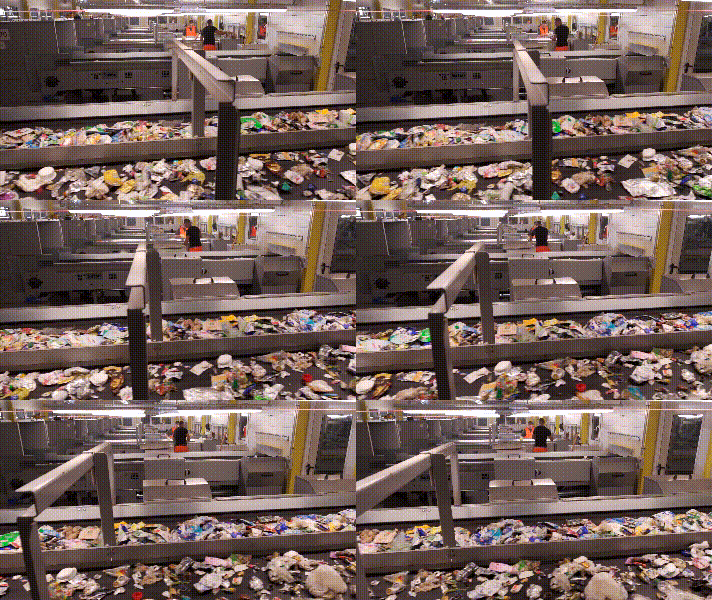
Belt ConveyorManual Sorting Room
For countries with low labor costs, a combination of mechanical and manual sorting can be used, which is a cost-effective waste sorting and recycling solution.
Read More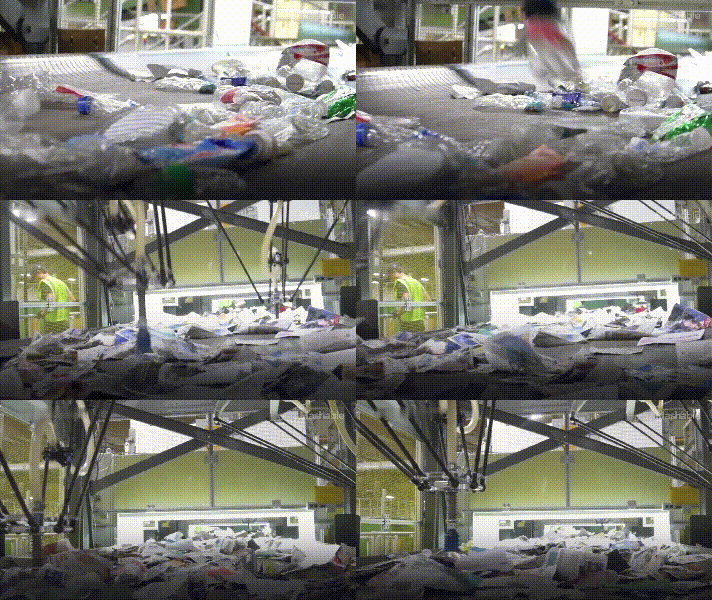
AI SortingSorting Robot
The artificial intelligence sorting robot with autonomous learning can practice and accumulate sorting data. It can effectively sort various high-value recyclables.
Read More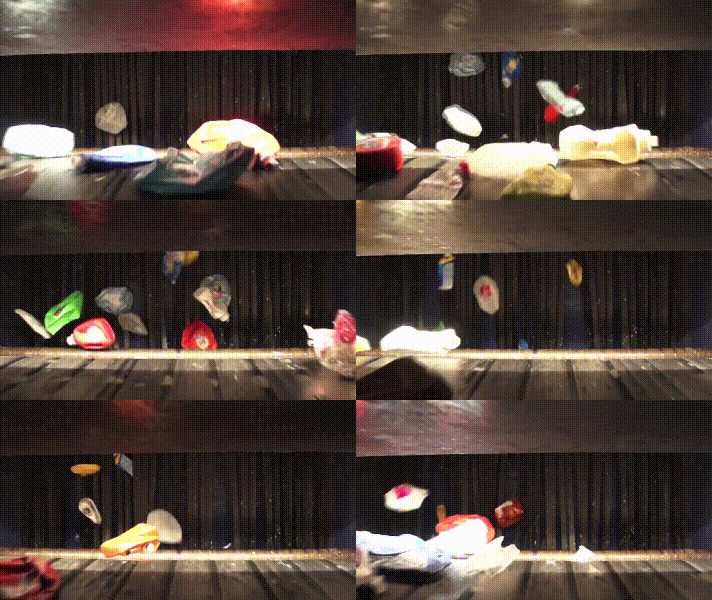
Optical Sorting
Optical sorter is a automatic sorting device based on sensors, high-speed ejector valve has large processing capacity. It is a good choice for bulk handling project of waste recycling.
Read More