Drum width 1.2 Meter Plastic Film Grabber
Based on MSWsorting sorting solutions
MUNICIPAL SOLID WASTE SORTING EQUIPMEN

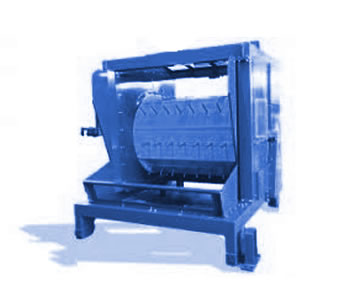
The machine consists of a revolving drum with a variable speed motor and inward and outward moving pins. The recyclables are moved up by air, which allows plastic the films to be picked up by the pins inside the revolving drum. This system is usually combined with a bag opener installed upstream.
A Plastic Film Grabber is a specialized industrial machine designed to automatically collect thin, flexible plastic films from a mixed stream of recyclable materials. These films, which include items like plastic bags, wrappers, and packaging films, are notoriously difficult to separate in Material Recovery Facilities (MRFs) because they are lightweight, prone to tangling, and can jam other sorting equipment. The Plastic Film Grabber tackles this challenge head-on, acting as a precision tool to isolate these problematic materials efficiently, ensuring they can be sent for proper recycling instead of contaminating other material streams or ending up in landfills.
The core of the Plastic Film Grabber is its unique revolving drum, which is equipped with an array of inward and outward moving pins. This drum is powered by a variable speed motor, allowing operators to finely tune the rotation speed to match the specific composition and feed rate of the incoming waste stream. This adjustability is crucial for maximizing recovery rates. Another key feature is the integrated air system. A controlled upward airflow is used to fluidize the material bed, causing the lightweight plastic films to float and separate from heavier items, presenting them optimally to the grabbing mechanism on the drum's surface.
Furthermore, the machine is engineered for robust, continuous operation in demanding industrial environments. It is typically constructed from durable, wear-resistant materials to handle abrasive waste. For optimal system performance, the Plastic Film Grabber is almost always installed downstream from a Bag Opener machine. This strategic combination is vital because it ensures that plastic films contained inside garbage bags are liberated and made available for the grabber to capture, significantly improving the overall efficiency and purity of the recovered film material.
The operation of a Plastic Film Grabber is a cleverly orchestrated mechanical process. The mixed recyclables are first conveyed onto a feed platform leading to the machine. Here, the integrated air system activates, blowing a steady stream of air upwards through the material. This aeration step is critical; it causes lightweight plastic films to rise and separate from denser objects like bottles, cans, and paper. The now-fluidized mixture then comes into contact with the large, slowly rotating drum that is the heart of the machine.
As the drum turns, the specially designed pins on its surface catch and spear the floating plastic films. The configuration and movement of these pins are engineered to hook onto the films without grabbing rigid items. The captured films are carried upwards by the drum's rotation. Once they reach a certain point in the rotation cycle, the pins retract or the film is stripped off by a secondary mechanism, dropping the collected films onto a separate conveyor belt. This isolated stream of plastic film is then ready for baling and sale to recyclers, while the remaining material continues on for further sorting of other commodities like cardboard, metals, and rigid plastics.
The primary application of the Plastic Film Grabber is within modern Material Recovery Facilities (MRFs) that process residential and commercial recycling. In these facilities, it plays an indispensable role in the "singulation" process—separating individual materials—by specifically targeting low-weight, high-volume contaminants. It is particularly valuable in regions with programs that collect plastic bags and wraps at curbside or drop-off locations, as it provides an automated solution to handle these materials which were previously sorted largely by hand or not at all.
Beyond standard MRFs, this technology is also increasingly deployed in specialized plastic recovery facilities and in facilities focused on processing commercial and industrial (C&I) waste. In C&I streams, which can contain large amounts of stretch wrap from pallets and packaging film from manufacturing, the Plastic Film Grabber is essential for recovering clean, high-quality film feedstock. Its ability to improve the purity of other output streams, such as paper or container plastics, by removing film contamination makes it a critical component for any advanced recycling operation aiming to produce marketable, high-purity commodities.
Integrating a Plastic Film Grabber into a sorting line offers significant operational and economic benefits. Firstly, it dramatically reduces labor costs and safety risks by automating the collection of films, a task that is tedious, slow, and potentially hazardous when done manually. It also greatly decreases equipment downtime and maintenance costs. By removing films early in the process, it prevents them from wrapping around shafts, jamming screens, and clogging air classifiers in downstream equipment, leading to a smoother and more reliable operation for the entire MRF.
From an environmental and quality standpoint, the benefits are equally compelling. The machine significantly increases the recovery rate of valuable plastic film, diverting it from landfills and into the recycling economy. It also enhances the quality and market value of all other sorted materials. For example, by removing plastic film contamination, the resulting bales of cardboard, paper, and rigid plastics are cleaner and command higher prices from buyers. This leads to increased revenue for the recycling facility and supports the creation of higher-quality recycled content for manufacturers, closing the loop more effectively.
Based on MSWsorting sorting solutions

Based on MSWsorting sorting solutions

Based on MSWsorting sorting solutions
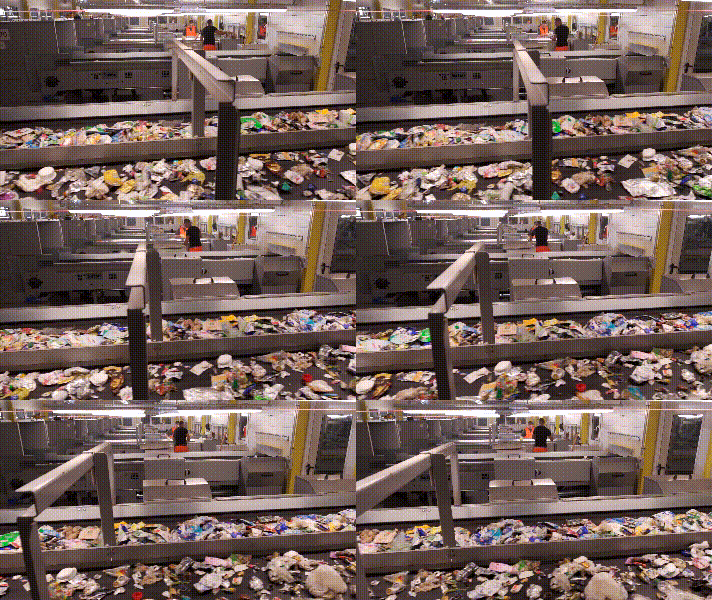
Belt ConveyorManual Sorting Room
For countries with low labor costs, a combination of mechanical and manual sorting can be used, which is a cost-effective waste sorting and recycling solution.
Read More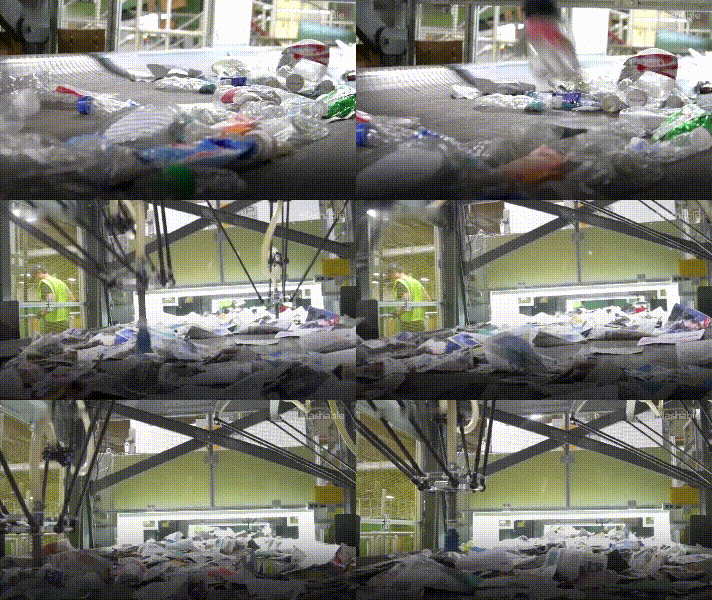
AI SortingSorting Robot
The artificial intelligence sorting robot with autonomous learning can practice and accumulate sorting data. It can effectively sort various high-value recyclables.
Read More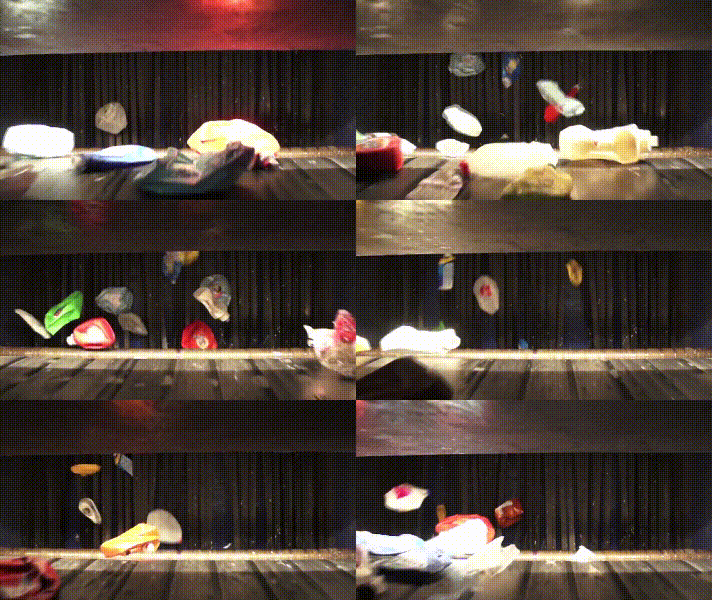
Optical Sorting
Optical sorter is a automatic sorting device based on sensors, high-speed ejector valve has large processing capacity. It is a good choice for bulk handling project of waste recycling.
Read More