10m3 Metal Hooper
Based on MSWsorting sorting solutions
MUNICIPAL SOLID WASTE SORTING EQUIPMENT

The metal hopper is above the feeder, and the bottom is connected to the\n feeding machine, the garbage can be dumped directly into the hopper \nfrom garbage truck, garbage grab or front Loader, approximately \nfunnel-shaped design is conducive to receiving MSW.
A metal hopper is a large, robust container that serves as the primary entry point for municipal solid waste (MSW) at a material recovery facility (MRF) or waste processing plant. Positioned above the main conveyor or feeder system, its primary function is to receive and temporarily hold large volumes of waste delivered by collection trucks, garbage grabs, or front-end loaders. Its approximately funnel-shaped design is not accidental; it is engineered to guide the heterogeneous mix of waste materials downward by gravity, ensuring a controlled and steady flow into the subsequent processing stages. This initial containment is crucial for managing the often unpredictable and bulky nature of incoming waste streams, acting as a buffer that allows the mechanical feeding system to operate at a consistent rate.
Constructed from heavy-duty steel plates, the hopper is built to withstand immense physical stress, corrosion from moisture, and the impact of heavy, dense objects. The interior surfaces are often lined with wear-resistant materials or feature a smooth finish to prevent waste from sticking or bridging—a situation where materials interlock and create an arch, blocking the flow. The hopper's capacity is carefully calculated based on the facility's throughput, ensuring it can accommodate peak delivery times without causing bottlenecks. In essence, the metal hopper is the "mouth" of the automated sorting system, where the journey of waste transformation into valuable resources formally begins.
The defining feature of a waste reception hopper is its reinforced funnel geometry. This shape is meticulously designed to promote mass flow, where all the material moves downward simultaneously, preventing the formation of dead zones where waste could stagnate. The slope angles of the hopper walls are calculated based on the "angle of repose" of typical MSW to ensure everything slides down efficiently. Furthermore, many modern hoppers incorporate vibrators or air cannons mounted on the exterior. These devices deliver periodic shocks or pulses to the metal structure, effectively dislodging any material that begins to adhere to the walls or bridge across the opening, thereby guaranteeing uninterrupted discharge.
Another critical feature is the integration point at the hopper's bottom, typically a controlled discharge outlet connected directly to the feeder machine, such as a belt feeder, apron feeder, or vibrating feeder. This interface often includes a regulating gate or metering device to manage the volume of waste released onto the conveyor belt. Safety features are paramount; these include heavy-duty grating or covers over the top opening to prevent falls, as well as strategically placed inspection hatches and maintenance platforms. The hopper's robust construction, combined with these functional and safety enhancements, makes it a durable and reliable first step in the high-volume, automated waste sorting process.
The operation of a metal hopper is a continuous cycle of reception, storage, and regulated discharge. The process starts when a garbage collection truck reverses into the tipping bay at the processing facility. The truck's container is lifted, and the mixed waste is dumped directly into the gaping maw of the hopper. For facilities receiving waste from barges or transfer stations, a crane equipped with a garbage grab may be used to pick up and deposit waste into the hopper. The funnel design immediately directs the falling waste toward the center and downward, minimizing spillage and containing dust and debris within the system. The hopper acts as a surge bin, absorbing the large, intermittent batches of delivered waste and converting them into a steady, manageable stream for the plant.
Beneath the hopper, the connected feeder machine is the key to controlled discharge. As the processing line requires more material, the feeder (like a belt or vibratory tray) activates, drawing waste from the hopper's bottom outlet. The rate of this discharge is carefully calibrated to match the capacity of the downstream equipment, such as the pre-shredder or bag opener. This metering is vital to prevent overloading the conveyors and sorting machines, which could lead to jams, breakdowns, or reduced sorting efficiency. In sophisticated systems, the feeder's speed can be automatically adjusted based on signals from sensors monitoring the fill level in downstream stages, creating a seamless, automated flow from reception through to sorting.
The primary application of metal hoppers is in Material Recovery Facilities (MRFs) and Mechanical Biological Treatment (MBT) plants. In a standard MRF, the hopper receives commingled recyclables and residual waste. Its role is to provide the consistent feedstock necessary for the series of screens, magnets, and optical sorters that follow. In an MBT plant, which combines mechanical sorting with biological composting or digestion, the hopper similarly receives mixed waste. The steady feed it provides is essential first for mechanical separation of recyclables and then for preparing the organic fraction for biological treatment. Without this initial regulated intake, the efficiency of the entire complex processing train would be compromised.
Beyond these central facilities, metal hoppers are also integral components at waste transfer stations, where waste from smaller collection vehicles is consolidated into larger trailers for economical long-haul transport to distant landfills or processing centers. Here, hoppers facilitate the quick dumping and temporary storage of waste before it is compacted and loaded. They are also found in specialized facilities like construction and demolition (C&D) waste recycling plants, where they receive bulky debris. In this context, they are often paired with even more heavy-duty pre-crushing equipment to handle large pieces of concrete, wood, and metal.
The foremost benefit is the establishment of controlled material flow. By acting as a buffer between the chaotic, batch-style delivery of waste and the precise, continuous operation of automated sorting machinery, the hopper is fundamental to system stability. It smooths out fluctuations in feed rate, allowing downstream equipment like trommel screens, ballistic separators, and optical sorters to function at their optimal, designed capacity. This control directly translates to higher sorting purity, better recovery rates of recyclables, and increased overall plant throughput. It also protects expensive downstream equipment from shock loads and overfeeding, reducing wear, tear, and the frequency of mechanical failures.
From operational and safety perspectives, metal hoppers offer significant advantages. They centralize the tipping operation, containing litter, dust, and odors within a defined area that can be more easily equipped with dust suppression systems (like water sprays) and negative air ventilation connected to biofilters. This improves the working environment and helps facilities comply with environmental regulations. The contained design also enhances safety by providing a physical barrier between personnel and the open tipping area. Furthermore, the hopper's durable steel construction ensures a long service life with minimal maintenance, providing a reliable and cost-effective solution for the harsh, abrasive conditions of waste handling, making it an indispensable first component in modern waste sorting infrastructure.

Based on MSWsorting sorting solutions

Based on MSWsorting sorting solutions

Based on MSWsorting sorting solutions
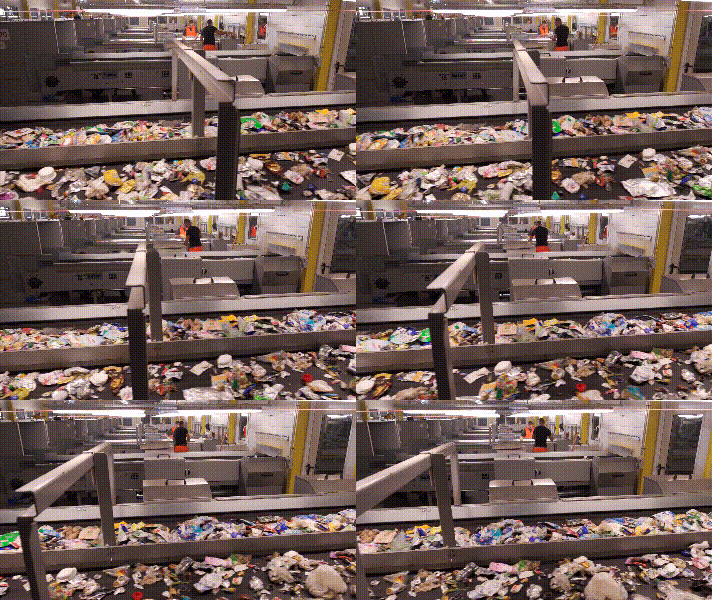
Belt ConveyorManual Sorting Room
For countries with low labor costs, a combination of mechanical and manual sorting can be used, which is a cost-effective waste sorting and recycling solution.
Read More
AI SortingSorting Robot
The artificial intelligence sorting robot with autonomous learning can practice and accumulate sorting data. It can effectively sort various high-value recyclables.
Read More
Optical Sorting
Optical sorter is a automatic sorting device based on sensors, high-speed ejector valve has large processing capacity. It is a good choice for bulk handling project of waste recycling.
Read More